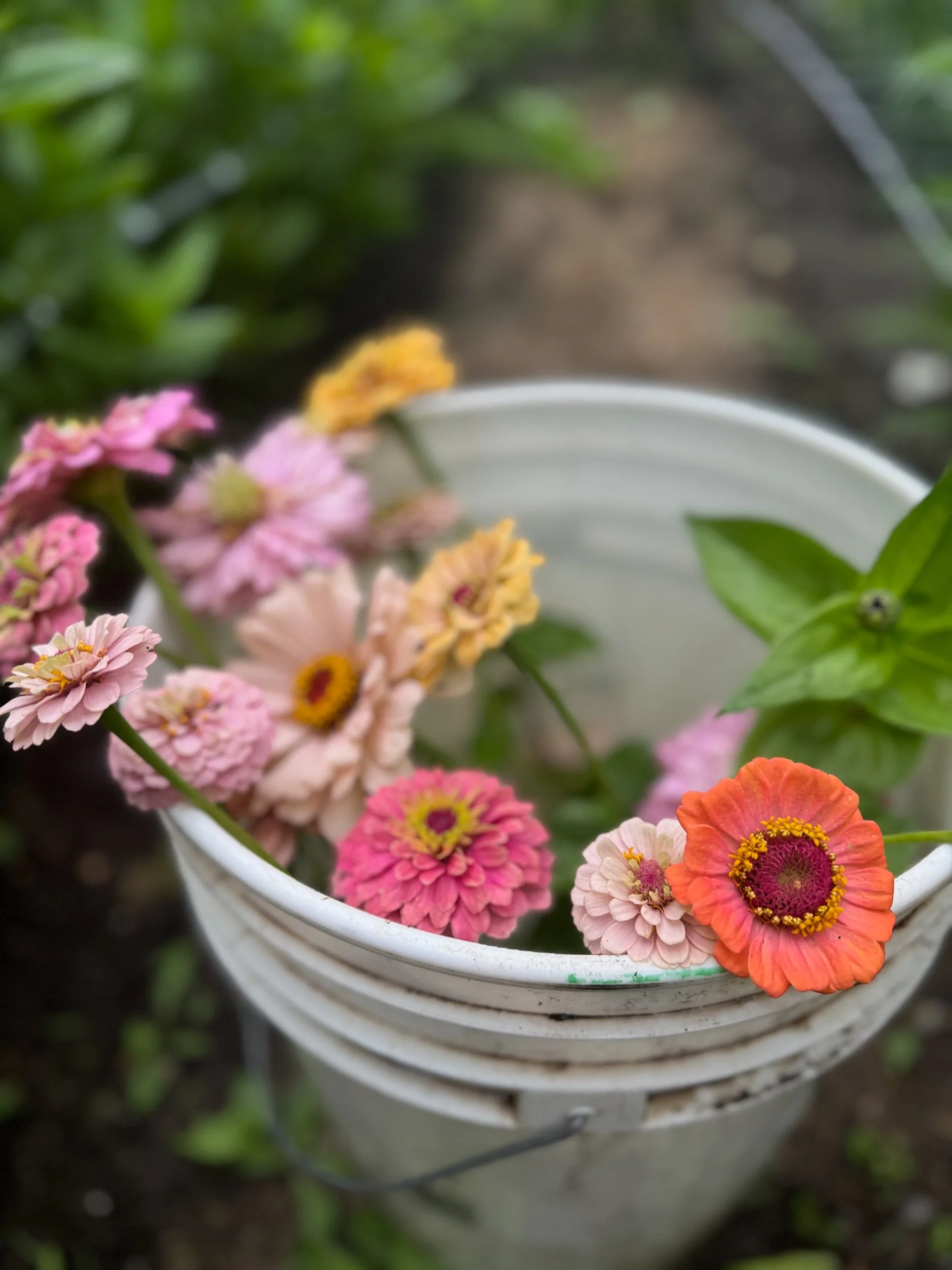
Posy est une ferme florale urbaine et une fleuristerie dédiée à offrir des occasions d’emploi significatives aux adultes d’âge actif vivant avec une déficience intellectuelle.
Ici, nous travaillons selon une approche d’agriculture sociale afin de réduire l’isolement et de favoriser la création de liens entre des personnes avec et sans déficience intellectuelle. Ce modèle agricole remet en question les idées restrictives de productivité et d’inclusion présentes dans les systèmes de travail dominants — une magnifique fleur locale, cultivée sans pesticides, à la fois.
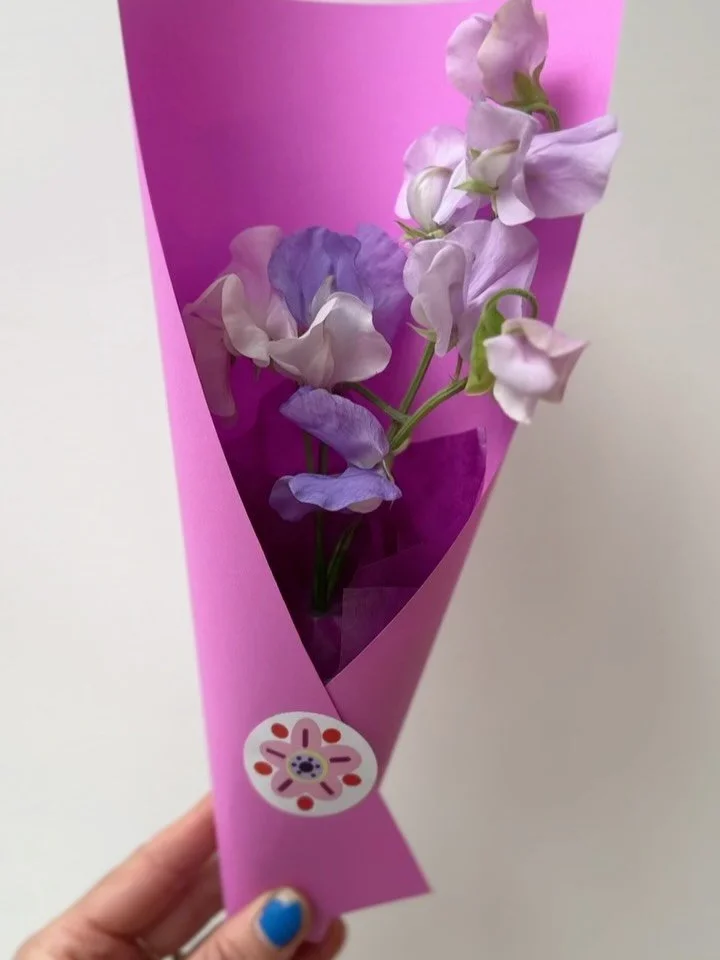
Chaque achat de nos fleurs contribue à soutenir et à rendre possible ce modèle agricole unique. Grâce à votre soutien, nous avons accueilli deux employés rémunérés dans le programme Fleurish dès notre première saison. 🌸

Suivez notre aventure

L’agriculture sociale, aussi appelée agriculture de soins (green care farming), est une façon importante de soutenir les membres marginalisés de la communauté. En reconnaissant l’impact puissant de la nature sur la santé et le bien-être, les fermes de soins utilisent la participation concrète aux activités quotidiennes de la ferme comme une intervention thérapeutique flexible — qui peut s’adapter à une grande variété de besoins, de capacités et de populations.
Les activités agricoles offrent des occasions de développer des compétences pratiques et de créer des liens sociaux, ce qui favorise la confiance en soi et procure un sentiment de contrôle, d’appartenance et de valeur au sein de la communauté.
Qu’est-ce que l’agriculture sociale ?
Qu’est-ce que la recherche nous dit ?
Amélioration de la santé physique
L’activité physique peut parfois manquer dans la vie des personnes ayant une déficience intellectuelle. Les tâches liées à l’agriculture sociale — comme s’occuper des plantes, cultiver les plates-bandes et effectuer l’entretien général de la ferme — encouragent le mouvement d’une façon plus active que dans les programmes de jour typiques. Cela peut contribuer à une meilleure condition physique, un sommeil de meilleure qualité et une plus grande confiance en soi. 🌱
Gérer les sensibilités sensorielles et développer la résilience
Les activités en plein air et le caractère imprévisible de l’environnement agricole aident les participants à développer leur résilience et à mieux composer avec les sensibilités sensorielles. Apprendre à s’adapter à différentes conditions météorologiques peut favoriser des stratégies d’adaptation flexibles qui contribuent à diminuer l’anxiété.
Bien-être psychologique accru
En offrant des activités engageantes et concrètes dans un environnement soutenant, les fermes de soins contribuent à réduire l’anxiété et à favoriser le bien-être mental. Les participants rapportent souvent des sentiments de bonheur et de détente. Ils peuvent aussi vivre des moments de flow, en étant pleinement absorbés par des tâches porteuses de sens, et la présence des animaux de la ferme apporte une source supplémentaire de connexion et de réconfort.
Développement des compétences et de la confiance
Qu’il s’agisse d’apprendre des tâches agricoles concrètes ou de maîtriser des habiletés du quotidien comme la préparation des repas et les déplacements de façon autonome, l’agriculture sociale peut renforcer la confiance en soi. Les tâches rythmées ou répétitives permettent aux participants d’« intégrer » de nouvelles compétences de manière durable.
Interaction sociale accrue et sentiment d’appartenance
Les fermes de soins offrent des espaces sociaux dynamiques où les participants peuvent interagir avec leurs pairs, le personnel et la communauté environnante. Ces liens favorisent la création de nouvelles amitiés, renforcent la confiance en soi et nourrissent un véritable sentiment d’appartenance. Plusieurs fermes de soins organisent également des événements locaux ou vendent les produits de la ferme, ce qui encourage des échanges positifs entre les participants et la communauté. 🌱
Possibilités de croissance personnelle et de construction de l’identité
Dans une ferme de soins, les participants peuvent adopter de nouveaux rôles et de nouvelles identités — comme celui de « travailleur agricole » — ce qui renforce l’estime de soi et ouvre la porte à de nouvelles avenues de développement personnel. 🌱.
Principales sources de recherche
Kaley, A.M. (2017). Green Care in Agriculture: A Visual Ethnographic Study Exploring the Therapeutic Landscape Experiences of People with Intellectual Disabilities Engaged in Care Farming Activities. PhD Thesis, Lancaster University
Bragg, R. and Atkins, G. (2016). A review of nature-based interventions for mental health care. UK: Natural England.
Goodley, D. (2016). Disability Studies: An interdisciplinary introduction. London: Sage Publications.
Power, A. and Hall, E. (2017). 'Placing care in times of austerity', Social & Cultural Geography,19(3), pp. 1470–1197.
Power, A. and Bartlett, R. (2015a). 'Self-building safe havens in a post-service landscape: how adults with learning disabilities are reclaiming the welcoming communities agenda', Social & Cultural Geography, 19(3), pp. 1470–1179.
Fermes de soins inspirantes
Nous sommes ravis de pouvoir compter sur nos conseillers
-
GREEN CARE FARMS
DÉMENCE
Ontario, Canada
-
A FARM LESS ORDINARY
DÉFICIT DE DÉVELOPPEMENT INTELLECTUEL
Virginia, USA